The engineering landscape is undergoing a profound transformation, driven by the rapid advancement of digital technologies. As we look towards 2026 and beyond, the traditional methods of design and manufacturing are being reshaped by the concepts of Digital Twins and sophisticated 3D modeling. For engineering students currently navigating their degrees, understanding and mastering these tools is no longer optional—it’s a critical prerequisite for a successful career. Among the various software platforms available, SolidWorks stands out as an industry standard, particularly for its capabilities in bridging the gap between virtual design and physical reality. This article explores why SolidWorks proficiency is paramount for the next generation of engineers and how it underpins the revolutionary concept of Digital Twins.
The pressure on engineering students to excel in both theoretical understanding and practical application is immense. The modern engineering curriculum is demanding, often requiring mastery of complex software alongside rigorous mathematical and scientific principles. It’s not uncommon for students to find themselves overwhelmed by the sheer volume of coursework and the intricate nature of assignments involving tools like SolidWorks. Recognizing this challenge, many students proactively seek support to ensure they don’t fall behind. Some may explore resources that can effectively help write my assignment, allowing them to manage their time more efficiently and focus on deeply understanding the core concepts and software, rather than just completing tasks under extreme pressure. This proactive approach to managing academic workload is becoming increasingly common as students strive to balance learning with performance.
The Power of 3D Modeling with SolidWorks
SolidWorks, a parametric Computer-Aided Design (CAD) software, has long been a staple in mechanical engineering and design departments worldwide. Its intuitive interface and powerful features allow engineers to create detailed 3D models of parts and assemblies with remarkable precision. Beyond simple visualization, SolidWorks enables virtual testing and analysis, which is crucial in the initial stages of design.
For students, learning SolidWorks isn’t just about creating pretty pictures. It’s about understanding how components fit together, simulating how they will behave under different loads and conditions, and identifying potential design flaws before any physical prototype is built. This virtual iterative process saves significant time and resources, mirroring the practices of top engineering firms. Mastering SolidWorks provides graduates with a distinct advantage, as they enter the workforce already equipped with the skills needed to contribute effectively to design projects from day one.
Enter the Digital Twin: A Revolutionary Concept
The most significant shift in recent years is the rise of the Digital Twin concept. A Digital Twin is a virtual counterpart or dynamic digital representation of a physical object, system, or process. This isn’t just a static 3D model; it’s a living entity that is constantly updated with real-time data from its physical twin. This connection is typically established through sensors and Internet of Things (IoT) technologies.
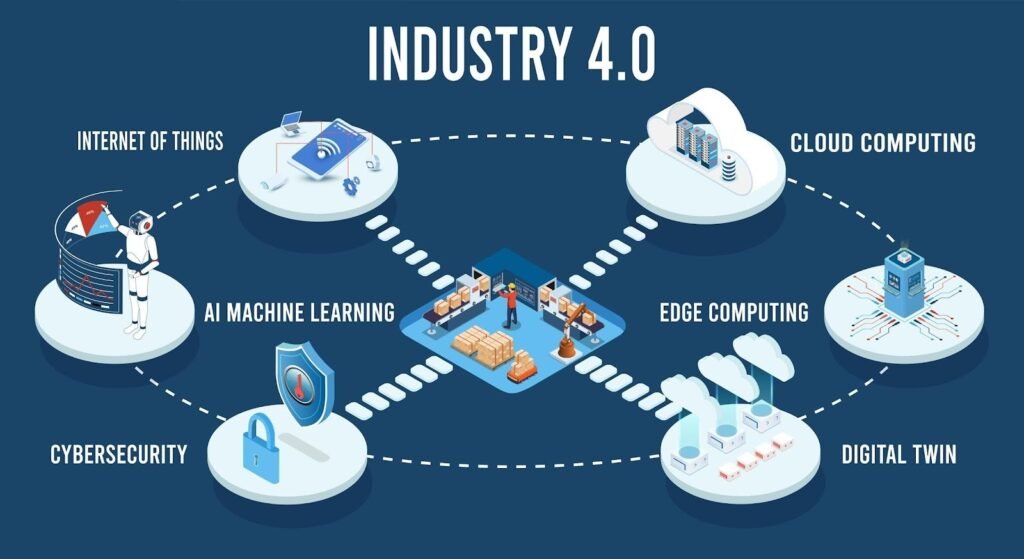
Imagine a wind turbine. Its Digital Twin would receive data on wind speed, temperature, vibration, and energy output. Engineers can then use this data to monitor performance, predict maintenance needs, and simulate operational changes—all within the safe and cost-effective virtual environment.
The SolidWorks-Digital Twin Connection
SolidWorks plays a pivotal role in the creation of Digital Twins. It provides the foundational 3D model that serves as the basis for the digital representation. The rich data associated with a SolidWorks model, including material properties, dimensions, and assembly structure, is vital for building an accurate and functional Digital Twin.
Furthermore, SolidWorks integrates with various simulation tools (like Finite Element Analysis or Computational Fluid Dynamics), allowing engineers to test the Digital Twin under virtual conditions. This capability is invaluable for predictive maintenance, a key benefit of Digital Twin technology. By simulating wear and tear based on real-world usage data, engineers can schedule maintenance at optimal times, minimizing downtime and preventing costly failures.
The integration of SolidWorks with other technological domains is critical for the realization of Digital Twins. The following table highlights some key technology integrations:
| Technology | Integration Point with SolidWorks for Digital Twins |
| Internet of Things (IoT) | Real-time data from physical sensors on assets populates the corresponding properties in the SolidWorks-based Digital Twin model. |
| Artificial Intelligence (AI) & Machine Learning (ML) | ML algorithms analyze historical and real-time data from the Digital Twin (which originated in SolidWorks) to predict potential failures, optimize performance, and automate decisions. |
| Augmented Reality (AR) & Virtual Reality (VR) | Engineers can immerse themselves within the Digital Twin environment, using the detailed SolidWorks model geometry for virtual training, design reviews, and remote maintenance support. |
The Skill Gap and the Need for Support
While the demand for engineers with Digital Twin and SolidWorks skills is soaring, a significant skill gap persists. Many academic programs are struggling to keep pace with the rapid technological advancements. Students are expected to learn complex software platforms largely on their own, on top of their demanding coursework. This often leads to frustration and a lack of depth in software knowledge, which can be a major hurdle when entering the workforce.
The complexity of these software-driven assignments often necessitates external support. Many students find that professional Solidworks assignment help from services like Myassignmenthelp is invaluable. Such assistance can provide tailored guidance on specific software features, help troubleshoot simulation errors, and ensure that assignments are completed to a high standard, reinforcing the student’s learning process and allowing them to grasp intricate software applications more thoroughly.
Beyond the Classroom: The Real-World Impact
The application of Digital Twins spans numerous industries, and the demand for engineers capable of creating and managing them is booming. Here are just a few examples:
- Aerospace: Digital Twins of aircraft engines enable real-time monitoring and predictive maintenance, significantly enhancing safety and efficiency.
- Manufacturing: Digital Twins of production lines allow engineers to optimize workflows, simulate process changes, and improve overall equipment effectiveness.
- Healthcare: Digital Twins of patients are being explored for personalized treatment planning, surgical simulations, and remote patient monitoring.
- Automotive: Digital Twins of vehicles support design optimization, autonomous driving testing, and fleet management.
Engineering graduates who possess strong SolidWorks skills and a solid understanding of Digital Twin concepts will be exceptionally well-positioned to contribute to innovation in these and other critical fields. They will be equipped to tackle complex engineering challenges and drive technological progress in a rapidly evolving world.
Conclusion: Investing in Future Success
The emergence of Digital Twins and the continued dominance of SolidWorks underscore the critical importance of digital literacy for engineering graduates. Proficiency in SolidWorks is no longer a niche skill; it is a fundamental requirement for anyone aspiring to build a successful career in engineering.
By investing the time and effort to master SolidWorks and understand its role in the Digital Twin ecosystem, students are not just completing their degrees—they are equipping themselves for the jobs of the future. The ability to bridge the gap between virtual design and physical reality, optimize systems in real-time, and drive innovation through simulation is what will distinguish the next generation of engineers. While the path may be challenging, the rewards, in terms of career opportunities and the ability to make a meaningful impact, are immense. The time to embrace these technologies and secure a prosperous future in engineering is now.
FAQ
Q: What exactly is a Digital Twin?
A: A Digital Twin is a dynamic digital replica of a physical asset, system, or process. It’s connected to its physical counterpart via sensors, receiving real-time data to reflect its current state and behavior. This allows for monitoring, simulation, and optimization in a virtual environment.
Q: How is SolidWorks related to Digital Twins?
A: SolidWorks provides the detailed 3D geometric model that serves as the foundation for a Digital Twin. The material properties, assembly structure, and other data within the SolidWorks model are essential for creating an accurate digital representation. SolidWorks also enables simulations that are key to the predictive and analytical capabilities of a Digital Twin.
Q: Why is SolidWorks proficiency so important for engineering graduates?
A: SolidWorks is an industry-standard CAD software used extensively in mechanical engineering and product design. Mastering it is critical because employers expect graduates to possess strong design skills, and the ability to work with and contribute to Digital Twin initiatives (often built on SolidWorks models) is becoming increasingly valuable across various sectors.
Q: What are the main benefits of using Digital Twins in engineering?
A: Key benefits include predictive maintenance (identifying issues before failures occur), performance optimization, reduced downtime, accelerated product development cycles through virtual testing, and enhanced safety by simulating risky scenarios virtually.
Q: How can engineering students manage the complexity of learning tools like SolidWorks?
A: Consistent practice is essential. Students can also leverage university resources, online tutorials, student communities, and, when needed, specialized assignment help services to navigate complex projects and deepen their understanding of the software’s advanced features.
About The Author
I am Arthur Amoroso, an Academic Consultant and Technical Research Specialist at MyAssignmentHelp. With over a decade of experience in the intersection of higher education and emerging technologies, I focus on helping engineering and computer science students bridge the gap between classroom theory and industry-standard applications.
